Blog
The world of art, photography, and culture extends far beyond museum walls and gallery openings. It encompasses the vibrant street corners where murals transform neighborhoods, the quiet studio spaces where technical mastery develops through patient practice, and the complex economic realities that creative professionals navigate daily. Whether you’re taking your first steps into creative practice or deepening an existing engagement with the arts, understanding this multifaceted landscape empowers you to participate more fully and meaningfully.
This exploration brings together the diverse dimensions of contemporary creative life: from discovering alternative cultural scenes in your city to mastering the technical aspects of painting, from understanding the ethics of urban exploration to building sustainable creative careers. Each facet connects to the others, forming a holistic picture of what it means to live with art at the center of your experience.
Experiencing Art in Urban Spaces
Cities pulse with creative energy that exists outside traditional institutional frameworks. Alternative art scenes thrive in converted warehouses, pop-up galleries, and unexpected public spaces, offering perspectives that established venues sometimes overlook. These spaces often showcase emerging voices and experimental work that challenges conventional definitions of what art can be.
Navigating the Gallery Circuit
Gallery weekends and cultural events can feel overwhelming, particularly in major metropolitan areas where dozens of openings might occur simultaneously. The key lies in strategic planning rather than attempting to see everything. Research exhibitions in advance, identify three to five priority venues, and allow time for serendipitous discoveries along the way. Many gallery districts cluster geographically, making focused exploration more manageable than scattered visits across the city.
Accessing Culture on Any Budget
The perception that engaging with art requires substantial financial resources overlooks the wealth of free cultural access available in most cities. Public museums often designate specific days or evenings for free admission, while many smaller galleries never charge entrance fees. Street art requires only curiosity and comfortable walking shoes. Building a collection doesn’t demand significant capital either—affordable art fairs, open studio events, and direct artist purchases make ownership accessible at various price points, often starting from under fifty currency units for original works by emerging creators.
Integrating Art Into Daily Life
Treating art as an occasional weekend activity misses opportunities for deeper integration. Shifting neighborhoods reveal evolving street art that transforms familiar routes into ongoing exhibitions. Taking alternative paths to work, photographing ephemeral installations, and following local artists on social platforms creates a continuous dialogue with creative practice rather than compartmentalizing it as separate from everyday existence.
Public Art and Civic Engagement
The relationship between art and public space raises questions about ownership, accessibility, and community voice. Civic art interventions can strengthen neighborhoods or alienate residents, depending largely on how thoroughly communities participate in decision-making processes.
Permanent Versus Temporary Installations
Cities face ongoing debates about whether public art should claim permanent positions in the landscape or rotate through temporary installations. Permanent sculptures and monuments establish continuity and landmarks, anchoring collective memory in physical space. Temporary interventions offer flexibility, allowing spaces to evolve with communities and respond to contemporary concerns. Neither approach supersedes the other—the most vibrant public art ecosystems incorporate both, creating stability while remaining responsive to change.
Design as Social Solution
Thoughtful design addresses urban challenges in ways that enforcement alone cannot. Strategic lighting serves aesthetic purposes while improving safety perceptions and reducing crime in underutilized areas. Well-designed public furniture and green spaces encourage positive social interaction. Even approaches to vandalism benefit from creative thinking—surfaces designed for legal street art often experience less unwanted tagging than blank walls, channeling creative impulses into sanctioned expression.
The Consultation Challenge
Community consultation processes fail when they occur as afterthoughts or performative gestures. Meaningful engagement requires reaching beyond the usual voices, incorporating diverse neighborhood perspectives before designs solidify rather than presenting finished plans for rubber-stamp approval. When consultation genuinely shapes outcomes, public art strengthens community bonds; when it functions as procedural theater, installations risk becoming symbols of top-down decision-making rather than shared civic pride.
Studio Practice and Technical Mastery
Technical proficiency in artistic mediums develops through patient, informed practice. Understanding how materials behave, how techniques build upon each other, and how to work safely transforms aspirations into tangible results.
Building Depth Through Layering
Glazing techniques exemplify how traditional methods remain relevant in contemporary practice. Applying thin, transparent paint layers over dried underlayers creates depth and luminosity impossible to achieve through direct application. Each glaze modifies underlying colors optically rather than physically mixing them, producing rich, complex surfaces. This approach requires patience—rushing the process by applying new layers before previous ones fully cure leads to muddy results and potential cracking.
Managing Time in the Studio
Different mediums demand different temporal relationships. Oil paints might require days or weeks between layers depending on thickness and environmental conditions, while acrylics dry within hours. Successful artists develop multiple pieces simultaneously, allowing productive work while waiting for technical processes to complete. Understanding drying times prevents frustration and technical failures, turning waiting periods from obstacles into opportunities for parallel development.
Safety and Sustainability
Studio practice involves materials that require informed handling. Solvents, certain pigments, and spray fixatives pose health risks without appropriate ventilation and protective equipment. Simple precautions—working in well-ventilated spaces, using nitrile gloves when handling toxic materials, and researching safety data for unfamiliar products—protect long-term health. Consider material compatibility carefully when exploring mixed media; combining incompatible binders or supports leads to deterioration over time, undermining the permanence your work deserves.
Urban Exploration and Abandoned Spaces
The photographic and artistic documentation of abandoned structures attracts practitioners drawn to decay’s aesthetic qualities and forgotten spaces’ melancholic beauty. This practice exists in complex legal and ethical territory that demands careful consideration.
Legal and Safety Realities
Entering abandoned buildings without permission typically constitutes trespassing, regardless of intention or the structure’s apparent neglect. While prosecution practices vary, the legal risk remains real. Beyond legal concerns, structural dangers pose serious physical threats—weakened floors, exposed hazards, asbestos, and unstable elements that appear solid until tested by weight. Professional urban explorers invest in appropriate safety gear including sturdy footwear, headlamps, dust masks, and never explore alone.
Ethical Frameworks
The “take nothing, leave nothing” ethic guides responsible exploration. Removing artifacts, even seemingly worthless items, erases historical context and violates the principle of preserving spaces for others. Similarly, leaving marks—whether graffiti, disturbed arrangements, or simple footprints in undisturbed dust—diminishes the experience for subsequent visitors. This framework extends to information sharing; some practitioners avoid publicizing specific locations to prevent site degradation through excessive traffic.
Engaging with Security and Authority
Encounters with security personnel or police require calm, respectful responses. Attempting to flee or becoming confrontational escalates situations unnecessarily. Honest explanation of photographic or artistic intent sometimes results in warnings rather than citations, though this outcome cannot be assumed. Understanding local enforcement priorities and cultivating awareness of how your presence might be perceived helps navigate these interactions more successfully.
Making a Living as an Artist
The romantic notion of the starving artist obscures practical realities that working creatives navigate. Building sustainable careers in the arts requires understanding economic structures, protecting your interests, and managing the psychological challenges inherent in uncertain income streams.
Economic Realities and Income Management
Irregular income characterizes most artistic careers outside academic or institutional positions. Project-based work, seasonal exhibition patterns, and commission timing create feast-and-famine cycles that conventional budgeting struggles to accommodate. Successful practitioners develop buffer savings during productive periods, diversify income sources across teaching, commercial work, and pure practice, and maintain realistic timelines for payment receipt. Understanding that invoiced work might not translate to bank deposits for months prevents cash flow crises.
Geographic Considerations
Major cultural centers offer more opportunities but dramatically higher living costs. Regional locations provide affordable studio space and lower overhead but fewer institutional connections and market depth. This calculation varies by discipline and career stage—emerging artists might benefit from affordable regional spaces to develop substantial bodies of work, while mid-career practitioners often require metropolitan markets to sustain their practice. Neither choice proves universally superior; the decision rests on individual circumstances and priorities.
Professional Protection and Support
Union membership and professional organizations offer advocacy, resources, and community that isolated practice cannot provide. These bodies negotiate fair payment standards, offer legal resources for contract disputes, and provide health insurance access that individual artists struggle to obtain affordably. They also combat industry scams by publicizing predatory practices—pay-to-play exhibition opportunities, exploitative licensing agreements, and “exposure” arrangements that extract value while providing minimal genuine benefit.
Mental Health in Creative Careers
The combination of financial uncertainty, public vulnerability, and isolation affects mental wellbeing in ways that conventional employment rarely replicates. Rejection becomes routine—grants declined, exhibitions passed over, work unsold. Building resilience requires acknowledging these challenges rather than internalizing them as personal failures. Many practitioners benefit from peer support groups, professional counseling familiar with creative career contexts, and deliberately separating self-worth from market validation.
Art for Wellbeing and Personal Growth
Beyond professional practice, creative engagement offers significant mental health benefits and personal development opportunities. The distinction between making art versus consuming it proves crucial—while gallery visits and cultural consumption provide value, active creation engages different cognitive and emotional processes with distinct therapeutic potential.
Creative Practice as Therapeutic Tool
Healthcare systems increasingly recognize art-making’s therapeutic applications. Social prescribing programs connect patients with creative workshops as interventions for depression, anxiety, and social isolation. The focused attention required by creative work interrupts rumination cycles, while tangible outcomes provide accomplishment that abstract therapeutic discussions cannot replicate. Regular practice develops coping mechanisms and emotional processing skills that extend beyond studio time into broader life contexts.
Overcoming Perfectionism
Perfectionism paralyzes creative development, preventing experimentation and risk-taking essential to growth. The antidote involves reframing “mistakes” as information rather than failures—unexpected color interactions, compositional surprises, and technical accidents often open directions that rigid planning would never discover. Setting process goals rather than outcome expectations shifts focus toward sustainable engagement rather than devastating disappointment when results don’t match unrealistic internal standards.
Solo Practice Versus Group Creativity
Both solitary work and collaborative creation offer distinct benefits. Solo practice provides freedom from external judgment and space for personal exploration. Group settings offer accountability, diverse perspectives, and social connection that combat isolation. Many practitioners find rhythms alternating between both modes—private studio time for focused development, periodic workshops or groups for fresh energy and community. Local arts organizations, community centers, and educational institutions typically offer workshops at various skill levels and price points.
Establishing Daily Creative Habits
Waiting for inspiration or large blocks of free time typically results in minimal output. Daily creative habits, even brief ones, accumulate into substantial practice over time. Fifteen minutes of morning sketching, photographing one interesting detail during lunch walks, or evening creative writing produces more development than occasional weekend marathons. The consistency matters more than duration—regular engagement keeps creative channels open and normalized rather than treating artistic practice as special-occasion activity requiring perfect conditions.
The landscape of contemporary art and culture offers countless entry points and paths forward. Whether your interest centers on experiencing urban creativity, developing technical skills, building professional practice, or enriching personal wellbeing through creative engagement, the essential step involves moving from passive consumption to active participation. Each aspect explored here connects to the others, creating a rich ecosystem where artistic practice intersects with daily life, professional development, and personal growth.
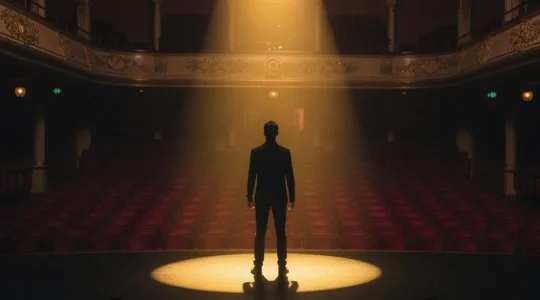
Making a Living as a UK Performer: The Brutal Economic Reality
Making a living as a UK performer has little to do with ‘getting discovered’ and everything to do with operating as a savvy, financially resilient business. Your survival depends on disciplined budgeting for irregular income, not on the size of…
Read more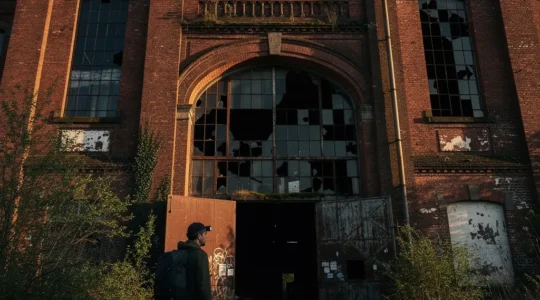
Is Urban Exploration Legal in the UK: Trespass Laws Explained?
The belief that urban exploration is safe because trespass is a civil matter is a dangerous oversimplification. The true legal and physical risks arise from a web of associated criminal offences and hidden site hazards. Simple trespass is not a…
Read more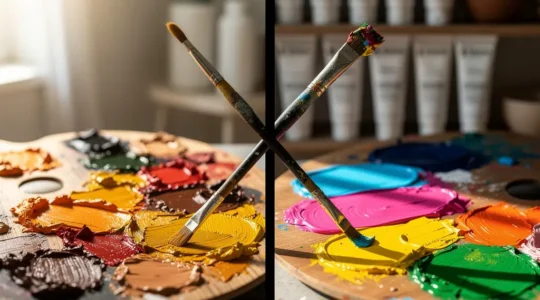
Oil vs. Acrylic for Layering: A Chemical Breakdown for Lasting Art
Choosing between oil and acrylic for layering isn’t about “fast vs. slow drying”—it’s about understanding two fundamentally different chemical processes: oxidation and coalescence. Oil paint cures by oxidation, a slow chemical reaction with oxygen that requires a ‘fat over lean’…
Read more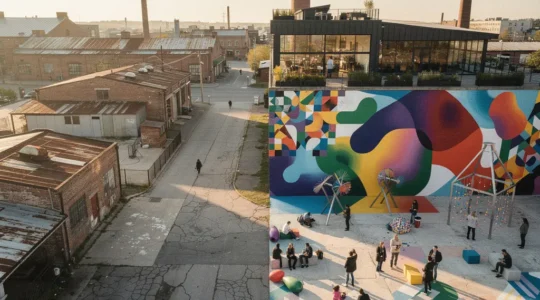
How Strategic Art Installations Can Revitalize Neglected Civic Landscapes
Strategic art is not about decoration; it’s a powerful tool for solving the core issues of neglected public spaces. Well-placed art, from murals to lighting, can actively deter crime and improve perceived safety. Temporary “pop-up” installations are low-risk, low-cost ways…
Read more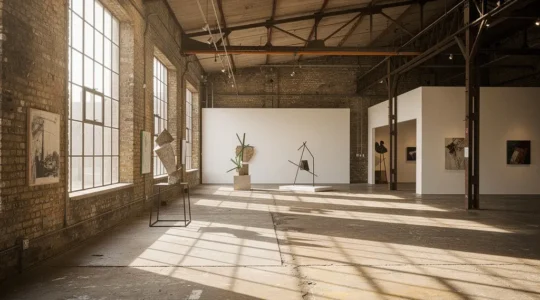
Where to Find Underground Art Spaces in London Beyond the Tate Modern?
Tired of blockbuster queues and commercialised ‘street art’? The key to London’s real art scene isn’t a secret map, but mastering the city’s hidden cultural systems. Authentic discovery relies on strategic timing for events like First Thursdays, not just showing…
Read more