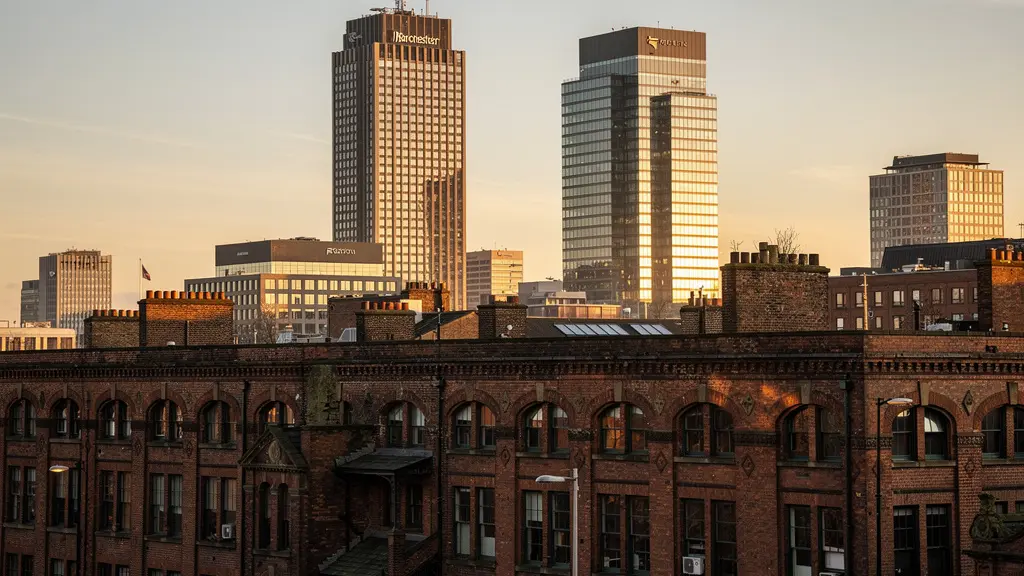
Manchester’s architectural identity isn’t a simple clash of old and new; it’s an ongoing dialogue where Victorian industrial heritage actively shapes and challenges modern design.
- The city’s iconic red brick, born from local geology and industrial necessity, now serves as the canvas for cultural expression, from street art to music venues.
- Modern glass structures must either respectfully integrate with this brick legacy or make a deliberate, and often controversial, break from it, as seen in Salford Quays.
Recommendation: To truly understand Manchester, look for the ‘seams’ where brick meets glass, and observe how this architectural tension defines the city’s art, music, and daily life.
Walking through Manchester’s Northern Quarter on a typically damp afternoon, the first thing you notice is the colour. A deep, brooding red-brown that seems to absorb the grey sky. This is the city’s famous red brick, a material so ubiquitous it defines the Mancunian aesthetic. The common explanation is simple: Manchester was the crucible of the Industrial Revolution, and its factories and warehouses were built from the abundant local clay. But this explanation, while true, only scratches the surface. It positions these vast Victorian structures as mere relics, a passive, gritty backdrop for the gleaming glass and steel towers of the 21st century. This “old vs. new” narrative is a platitude that misses the point entirely.
The reality is far more dynamic. The relationship between Manchester’s Victorian brick and its modern glass is not a static contrast; it is an active and often contentious architectural dialogue. The city’s brickwork is not a silent partner. It possesses a powerful gravity, a ‘Red Brick Hegemony’ that forces new developments to respond. Modern architecture in Manchester cannot simply exist; it must either defer to, rebel against, or attempt to absorb the legacy of its industrial past. This creates an atmospheric tension that permeates every aspect of the city’s cultural life, a tension that goes far beyond simple aesthetics and touches everything from the acoustics of a music venue to the heating bill of a loft apartment.
This article will explore that dialogue. We won’t just look at buildings; we will delve into the cultural palimpsest of the city, examining how this architectural conversation plays out on the walls of its streets, in the sound of its music, in the experience of its art galleries, and in the very reality of living within these repurposed industrial giants. We will uncover how Manchester’s identity is forged in the space between the grit of the old and the gloss of the new.
This in-depth exploration will guide you through the city’s most vibrant cultural facets, revealing how its unique architectural story is told not just in textbooks, but in its living, breathing spaces. Discover the layers of meaning embedded in Manchester’s streets and structures in the sections below.
Contents: Manchester’s Architectural and Cultural Dialogue
- Graffiti vs Muralism: Who Owns the Walls of the Northern Quarter?
- Beyond The Smiths: Where to Find the Living Music Scene in Manchester?
- Canals and Mills: Where to Capture the Peaky Blinders Aesthetic?
- Salford Quays: Has the Move of the BBC Changed the Cultural Output?
- Indoor Culture: How to Spend a Wet Weekend in Manchester Without Being Bored?
- Why Manchester is Becoming the New Creative Capital for Painters?
- Why the White Cube Experience Feels Colder Than the National Portrait Gallery?
- What Are the Hidden Costs of Buying a Converted Textile Mill Apartment?
Graffiti vs Muralism: Who Owns the Walls of the Northern Quarter?
The vast, imposing brick walls of the Northern Quarter are not blank canvases; they are contested territory. This is where the dialogue between past and present becomes most visible. The ephemeral nature of unsanctioned graffiti, often painted and scrubbed away in a matter of weeks, stands in stark contrast to the rise of large-scale, commissioned muralism. This isn’t just about art; it’s about ownership and permanence. The Victorian brick, with its textured, porous surface, becomes an arbiter in this debate, its very material dictating what lasts and what fades.
Events have played a huge role in this transformation. For instance, the Cities of Hope festival in 2016 saw over 20 international artists transform the Northern Quarter, legitimising its walls as a global art stage. These sanctioned works have a greater chance of survival, weaving themselves into the fabric of the neighbourhood. They become landmarks, respected parts of the architectural landscape rather than acts of rebellion against it. This shift from illicit tagging to celebrated muralism demonstrates a maturing cultural conversation with the city’s industrial past.
Case Study: The Permanence of Faunagraphic’s Blue Tit
A prime example of this dynamic is Faunagraphic’s iconic Blue Tit mural, tucked away in a car park between Newton Street and Port Street. Commissioned by Converse in 2011, this piece has survived for over a decade, becoming one of Manchester’s most beloved and long-standing murals. Its longevity proves that when art engages commercially and respectfully with the city’s architectural heritage—the Victorian brick wall—it is granted a level of permanence that fleeting graffiti rarely achieves. The wall is no longer just a surface, but a gatekeeper to cultural significance.
Ultimately, the walls of the Northern Quarter are owned by this constant negotiation. They belong to the tension between the artist’s transient impulse and the building’s enduring presence, a daily dialogue written in spray paint and brick.
Beyond The Smiths: Where to Find the Living Music Scene in Manchester?
Manchester’s musical identity is inseparable from its architecture. The myth of the city is built on bands who honed their sound in the damp, cavernous rooms of converted mills and Victorian pubs. This “red brick grit” is not just an aesthetic; it’s an acoustic and atmospheric ingredient. The raw, reverberant spaces of venues like Band on the Wall or The Deaf Institute contribute to an authentic, visceral experience that a polished, modern arena cannot replicate. These venues are the living heart of the city’s grassroots music scene, the direct descendants of the industrial energy that first shaped the buildings.
However, this heritage is under threat. The very authenticity that makes these venues special also makes them vulnerable to economic pressures. Across the UK, a crisis is unfolding, with a report from the Music Venue Trust revealing that 125 grassroots music venues closed in 2023 alone, a devastating rate of over two per week. This isn’t simply about buildings closing; it’s about the erosion of the cultural ecosystem that allows new talent to emerge. The pressure from rising rents and development often pits these historic, character-filled spaces against the drive for modernization.
This tension is felt acutely within the industry. As Gemma Vaughan, a director at the AO Arena, pointed out in The Big Issue, there’s a disconnect between the large-scale and the grassroots levels:
I don’t think that large scale arenas have done enough to support grassroots venues.
– Gemma Vaughan, The Big Issue
This highlights the struggle: while shiny new arenas can accommodate global superstars, it’s the small, independent venues, often housed in historic red brick buildings, that cultivate the next generation of artists. Preserving them is about preserving the city’s future sound.
To find the living music scene, one must look beyond the legends and seek out these vibrating brick rooms, for it is here that the city’s next cultural chapter is being written, one distorted guitar riff at a time.
Canals and Mills: Where to Capture the Peaky Blinders Aesthetic?
The global fascination with shows like *Peaky Blinders* has turned Manchester’s industrial heartland into a pilgrimage site for photographers. The city’s canals, cobbled streets, and towering red brick mills offer a direct portal to a romanticised, albeit grim, past. Capturing this aesthetic, however, is an act of deliberate curation. It requires the photographer to actively participate in the architectural dialogue, consciously editing out the 21st century to frame the 19th. The modern glass towers that loom over the canals are not part of this story; they are the narrative interference that must be cropped out.
Achieving this “Peaky Blinders” look is about isolating the core elements of the industrial age: the texture of worn brick, the moody reflections in the dark canal water, and the monolithic silhouettes of the mills against a grey sky. It’s a hunt for angles where the Victorian hegemony remains unbroken. Areas like Castlefield, with its network of canals and viaducts, or the backstreets of Ancoats, offer pockets where the illusion of the past can be maintained. The photographer becomes a time-traveler, using their lens to peel back the layers of the modern city and reveal the cultural palimpsest beneath.
This pursuit is more than just tourism; for an architecture student or enthusiast, it’s a practical lesson in architectural framing and historical interpretation. It teaches you to “read” the cityscape and identify the elements that define a specific era’s atmosphere. The key is to focus on materials, light, and composition to evoke a feeling rather than simply documenting a location.
Your Action Plan: A Photographer’s Guide to Industrial Manchester
- Blur the Present: Use long exposures on canal water. This smooths out the surface, blurring reflections of modern buildings and creating a timeless, atmospheric effect.
- Focus on Textures: Get close to wet cobblestones and worn brickwork with a macro or short-telephoto lens. Emphasise the surface details and history embedded in these materials.
- Frame Deliberately: Compose your shots to purposefully exclude modern glass and steel towers from the frame. Use the old viaducts and mill walls as natural borders.
- Chase the Fog: Shoot during early morning mist or fog. This weather naturally obscures distant modern elements and creates haunting, powerful industrial silhouettes.
- Isolate with Depth: Use a shallow depth of field (a low f-stop number) to focus sharply on a specific brick texture or industrial detail, throwing the contemporary background into a soft blur.
Ultimately, capturing the Peaky Blinders aesthetic is an exercise in storytelling. It’s about choosing which part of Manchester’s architectural dialogue you want to listen to and amplifying that voice through the art of photography.
Salford Quays: Has the Move of the BBC Changed the Cultural Output?
If the city centre is a dialogue, Salford Quays is a monologue. Here, modern glass and steel speak with a loud, confident voice, largely drowning out the echoes of the area’s industrial past as Manchester Docks. The transformation, anchored by the arrival of the BBC and the development of MediaCityUK, represents a deliberate break from the city’s red brick identity. This was a conscious decision to project a new, forward-looking image—one of media, technology, and global connectivity. The architecture here is not in conversation with Victorian mills; it is creating an entirely new vocabulary.
The scale of this vision is staggering. The area is a showcase of contemporary design, from the shimmering Imperial War Museum North by Daniel Libeskind to the glowing towers of MediaCityUK. This architectural statement is backed by massive financial commitment, as seen in projects like the nearby £1.4 billion investment in the St. John’s Quarter development, which continues this trend of large-scale, modern regeneration. The defining material is glass, used for its connotations of transparency, openness, and technological sleekness. It reflects the sky and water, creating a fluid, ever-changing landscape that feels worlds away from the solid, earthbound nature of brick.
This architectural shift inevitably influences the culture produced there. The environment of MediaCityUK is one of high-tech studios and corporate campuses, designed for efficiency and collaboration in the digital age. This is a far cry from the gritty, informal spaces that birthed so many of Manchester’s earlier cultural movements. While the move has undeniably cemented Manchester’s status as a national media powerhouse, it raises the question of whether this polished environment fosters a different *kind* of creativity. The “openness” of the architecture is intended to be symbolic, but it can also feel anonymous and detached from the city’s historic creative soil.
Salford Quays stands as a bold, successful experiment in creating a new identity. Yet, it also serves as a powerful counterpoint that highlights, by its very difference, the enduring power and unique creative energy of Manchester’s historic red brick core.
Indoor Culture: How to Spend a Wet Weekend in Manchester Without Being Bored?
A wet weekend in Manchester is not a bug; it’s a feature. It forces you indoors, into the very buildings that tell the story of the city’s architectural dialogue. Here, sheltered from the rain, the conversation between Victorian grandeur and modern intervention becomes intimate and tactile. The city’s galleries, libraries, and museums are not just containers for culture; they are active participants in it. You don’t just see the art; you experience it within a specific, historically charged context.
This paragraph introduces the dialogue between old and new within Manchester’s cultural institutions. To truly appreciate this, it’s helpful to visualize how these elements coexist. The illustration below captures the interior of the Manchester Art Gallery, a perfect example of this synthesis.
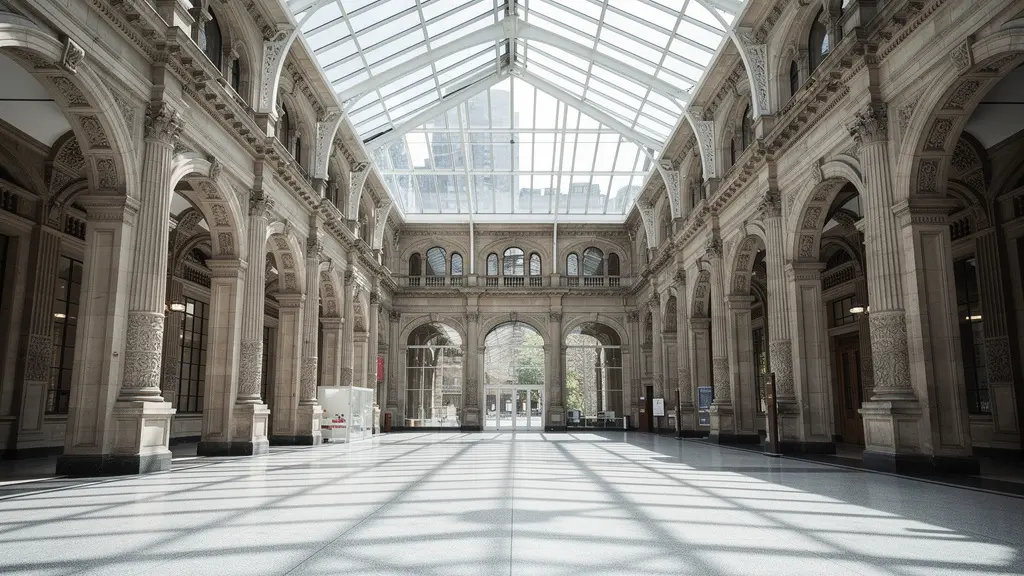
As this image beautifully demonstrates, ornate Victorian columns and decorative plasterwork are not replaced but are complemented by a contemporary glass roof. This modern addition doesn’t erase the past; it bathes it in natural light, creating a space that is both historic and vibrant. It’s a masterful example of adaptive reuse where the new structure serves and enhances the old. This is the architectural dialogue at its most harmonious.
Case Study: The Rebirth of the John Rylands Library
Another monumental example is the John Rylands Library. Opened in 1900, this imposing neo-Gothic masterpiece is a temple to knowledge, with soaring vaulted ceilings and intricate stonework that feel more like a cathedral than a library. By the early 2000s, it was in dire need of care. A massive £17 million restoration project was undertaken, culminating in its 2007 reopening. This investment wasn’t about modernization in the vein of Salford Quays; it was about meticulously preserving and revitalizing a historic cultural asset, ensuring its breathtaking Victorian-era atmosphere could be experienced by new generations.
So, a rainy day offers a unique opportunity: to bypass the city’s external image and step directly into the heart of its architectural soul, where history and modernity are locked in a beautiful, light-filled embrace.
Why Manchester is Becoming the New Creative Capital for Painters?
While London’s art scene becomes increasingly inaccessible, Manchester is re-emerging as a haven for artists, particularly painters. The reason is, once again, architectural. The city’s legacy of the Industrial Revolution has left it with a unique and valuable resource: vast, empty industrial spaces. The same red brick mills that once housed looms and spinning jennies now offer the high ceilings, large windows, and raw, open-plan layouts that are perfect for artist studios.
This is the concept of the cultural palimpsest in action. The original purpose of these buildings—manufacturing—has been erased, but their form remains. A new layer of purpose—artistic creation—is now being written onto this historic structure. Artists are not just renting space; they are inhabiting a piece of the city’s history, their creative work set against a backdrop of worn brick and iron columns. This environment provides a sense of scale and authenticity that a purpose-built, sterile “white cube” studio often lacks. The building itself becomes a source of inspiration.
This process of conversion is a core part of Manchester’s story of constant evolution. The city’s construction history is one of perpetual change, moving from Roman forts to Victorian factories and now to modern skyscrapers. The conversion of its industrial buildings is the latest chapter. Artists colonizing these spaces are part of a long tradition of Mancunian adaptation and reinvention. They are drawn by the affordable space, but they stay for the sense of community and the connection to a tangible, textured history that fuels their work and sets the city’s art scene apart.
Manchester is becoming a creative capital not by building new art centers from scratch, but by leveraging its most abundant and iconic asset: the architectural ghosts of its industrial golden age.
Key takeaways
- Manchester’s architectural identity is a dynamic dialogue, not a static contrast, where Victorian heritage actively influences modern design.
- Historic red brick buildings are not relics but are crucial, active hubs for contemporary culture, from grassroots music venues to artist studios.
- The choice between preserving brick or building with glass has tangible consequences on the city’s atmosphere, creative output, and the daily lives of its residents.
Why the White Cube Experience Feels Colder Than the National Portrait Gallery?
The experience of viewing art is profoundly shaped by the architecture of the gallery. This is the concept of atmospheric tension made manifest. A “White Cube” gallery, with its minimalist design, is intended to be a neutral container, removing all context to allow the art to ‘speak for itself’. Conversely, a traditional Victorian gallery, with its ornate details and rich materials, envelops the art in history and atmosphere. Neither is inherently better, but they offer fundamentally different encounters.
This paragraph introduces a direct comparison of gallery experiences. As the recent analysis in the table below shows, the architectural choices of materials and style directly translate into the visitor’s emotional and intellectual response.
| Gallery Type | Architectural Style | Visitor Experience | Material Palette |
|---|---|---|---|
| White Cube (Whitworth) | Minimalist Modern | Sterile, intimidating | Glass, concrete, steel |
| Victorian Gallery (Manchester Art Gallery) | Neo-Gothic/Classical | Warm, intimate | Red brick, wood, plaster |
| Contemporary (HOME) | Industrial Modern | Open, flexible | Metal, glass panels |
The table makes the distinction clear. The “sterile, intimidating” feel of a white cube like the Whitworth’s extension comes from its material honesty—the coldness of glass and concrete. It demands you focus solely on the art, which can be an intense, intellectual experience. In contrast, the “warm, intimate” feeling of the Manchester Art Gallery stems from its red brick, wood, and plaster. Here, you are invited into a conversation between the art and its historic setting. The building cossets you, creating a more narrative, perhaps less demanding, viewing experience.
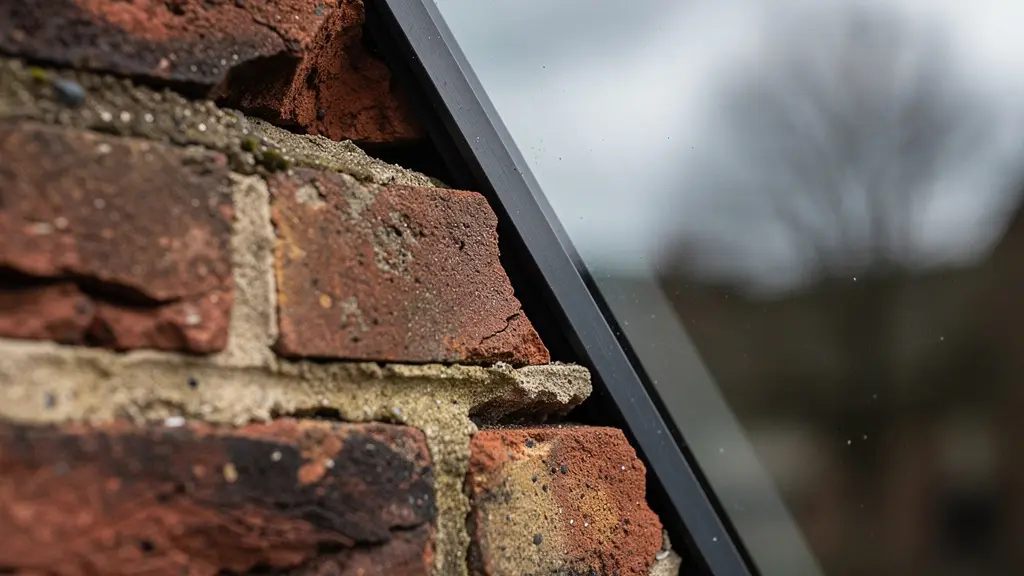
The modern glass extension of the Whitworth Gallery, pictured above, perfectly encapsulates this. It reaches out into the surrounding park, its reflective surfaces blurring the line between inside and out. It’s a beautiful architectural statement, but one that creates a very different kind of space from its Victorian brick counterpart—one that feels less grounded and more cerebral.
Ultimately, the ‘coldness’ of the white cube is the price of its neutrality. It offers clarity but sacrifices the warmth and contextual richness that a historic building provides, a trade-off that sits at the very heart of Manchester’s architectural dialogue.
What Are the Hidden Costs of Buying a Converted Textile Mill Apartment?
Living in a converted textile mill is the quintessential Manchester dream. It promises soaring ceilings, huge character-filled windows, and exposed red brick walls—a tangible connection to the city’s industrial soul. This is the aesthetic culmination of the architectural dialogue, where heritage is not just observed but inhabited. However, this dream comes with a set of hidden costs and practical challenges that are written into the very fabric of these 19th-century buildings.
The features that make these apartments so desirable are often the source of their problems. That beautiful exposed brickwork can be a poor insulator of sound and heat. The magnificent, large-pane windows are often single-glazed due to listed building restrictions, leading to shockingly high heating bills in the winter. The open-plan industrial design that creates such a sense of space was never intended for residential acoustics, meaning neighbourly noise can become a significant issue. These are the practical realities of living inside a historical artifact.
Beyond the structural quirks, there are financial considerations that go beyond the mortgage. The maintenance of historic features, from the brick pointing to the communal roof, is often covered by substantial service charges. Furthermore, these buildings were designed in an era before the automobile, meaning parking can be limited and expensive. The hidden costs of the Mancunian loft lifestyle are numerous:
- Poor sound insulation due to original open-plan industrial layouts.
- High heating costs stemming from large, single-glazed windows and high ceilings.
- Listed building restrictions that prevent modern, efficient upgrades like double-glazing.
- Significant service charges for the ongoing maintenance of historic features.
- Limited and often costly parking, as these mills predate the age of the car.
Ultimately, choosing to live in a converted mill is an embrace of the city’s architectural dialogue in its most personal form. It requires accepting the imperfections and compromises of the past in exchange for the unparalleled character and sense of history that a modern glass box could never offer.