Photography
Photography stands at the crossroads of technical precision and creative expression, offering anyone with a camera the power to freeze moments, convey emotion, and craft visual narratives. Whether you’re drawn to the drama of coastal landscapes, the intimacy of street photography, or the pursuit of fine art prints worthy of gallery walls, the journey from beginner to accomplished photographer requires understanding both the mechanics of light and the language of visual storytelling.
This comprehensive resource explores the fundamental principles that underpin successful photography, from mastering composition and exposure to developing a distinctive artistic voice. We’ll examine the specific challenges of landscape work across diverse environments, delve into technical approaches that preserve natural aesthetics, and outline the practical considerations for those seeking to establish a professional practice. The goal is to provide you with a solid foundation and the confidence to pursue your photographic vision with intention and skill.
Understanding Light and Composition Fundamentals
Every photograph begins with light, and learning to read and anticipate lighting conditions transforms your ability to capture compelling images. Natural light changes dramatically throughout the day and across seasons, creating vastly different moods and opportunities. Early morning and late afternoon offer the warm, directional light often called the “golden hour,” while overcast conditions provide soft, even illumination ideal for reducing harsh shadows.
Composition provides the structural framework that guides a viewer’s eye through your image. The rule of thirds remains a valuable starting point—imagining your frame divided into nine equal sections and placing key elements along these lines or intersections creates natural balance. However, truly effective composition goes deeper, considering elements like leading lines that draw the eye into the scene, foreground interest that establishes depth, and negative space that allows subjects to breathe.
In challenging environments with extreme weather or rapidly changing conditions, the ability to quickly assess both lighting quality and compositional potential becomes essential. A dramatic storm front approaching across open moorland might offer only minutes of optimal light, requiring you to have pre-visualized your composition and technical settings. This combination of preparation and adaptability separates memorable images from mere documentation.
Landscape Photography: From Coast to Mountain
Landscape photography encompasses diverse specializations, each presenting unique technical and creative challenges. Understanding the specific demands of different environments helps you prepare appropriately and maximize your creative opportunities.
Coastal and Seascape Photography
The interface between land and sea creates dynamic, ever-changing scenes that reward careful planning and patience. Tide timing becomes crucial not only for safety but for accessing specific compositions—a rocky outcrop might only be reachable during low tide, while high tide can transform a beach into a minimalist study of water and sky. Many coastal photographers consult tide tables weeks in advance to align optimal tidal conditions with favorable light.
Filter systems, particularly neutral density filters and graduated filters, prove invaluable for seascape work. A neutral density filter allows you to use longer exposures even in bright conditions, transforming choppy water into silky smoothness. This technique creates a sense of calm and timelessness, though the exposure duration dramatically affects the final aesthetic. Experimenting with exposures ranging from one second to several minutes reveals how different durations capture motion in distinct ways.
Mountain Photography
Mountain environments demand both physical preparation and technical expertise. The physical demands of carrying equipment to remote locations at altitude require fitness and careful gear selection—every item must justify its weight. Weather conditions change rapidly at elevation, with clear skies transforming into fog or rain within minutes, necessitating robust weather protection for both photographer and equipment.
High dynamic range situations occur frequently in mountain photography, where bright skies contrast sharply with shadowed valleys. Rather than relying solely on post-processing, experienced mountain photographers use graduated neutral density filters to balance exposure in-camera, or plan their shoots for times when natural light creates more manageable contrast. Lens selection also proves critical, with many photographers favoring mid-range focal lengths that capture expansive vistas while maintaining manageable size and weight.
Highland and Moorland Landscapes
Vast, open landscapes present the particular challenge of creating compelling compositions in scenes with minimal obvious focal points. The technique of using foreground elements to anchor otherwise empty spaces becomes essential—a weathered fence post, a patch of heather, or scattered rocks can provide the visual entry point that transforms an empty vista into an engaging image.
These environments often feature volatile weather that dramatically affects both lighting and mood. Photographers working in regions with changeable conditions learn to embrace rather than avoid difficult weather, recognizing that mist, rain, and dramatic clouds often create more atmospheric and memorable images than perfect blue skies. Selecting appropriate gear for wet and windy conditions—weather-sealed camera bodies, lens protection, and stable tripod systems—enables you to work comfortably and safely when conditions deteriorate.
From Documentation to Artistic Vision
The transition from recording what you see to expressing how you interpret it marks a crucial evolution in photographic development. This shift requires both technical control and creative intention.
Developing Your Visual Signature
In a saturated visual marketplace, defining a unique visual signature helps your work stand out and creates coherence across your portfolio. This doesn’t mean artificially limiting yourself, but rather identifying the subjects, lighting conditions, colour palettes, or compositional approaches that naturally resonate with you. Some photographers gravitate toward minimalist compositions with muted tones, while others embrace bold colours and complex layering.
Your visual signature emerges gradually through consistent practice and honest self-assessment. Reviewing your most successful images often reveals patterns you hadn’t consciously recognized—perhaps you consistently favour low camera angles, or your strongest work features strong geometric elements. Recognizing these patterns allows you to deliberately refine and strengthen your distinctive approach rather than randomly trying different styles.
Black and White vs Colour Photography
The decision to work in monochrome represents both a technical choice and an artistic commitment. Black and white photography strips away colour information, forcing viewers to engage with tonal relationships, texture, and form. This reduction can strengthen certain subjects—dramatic skies, architectural details, or portraits—by eliminating colour distractions and emphasizing essential elements.
Some photographers work exclusively in monochrome, training themselves to visualize scenes in terms of tonal values rather than colours. This approach offers technical advantages when using monochrome camera sensors without colour filters, which can capture finer detail and extended tonal range. However, it also requires accepting that certain colour information—the warm glow of sunset, the vibrant greens of spring—will be permanently lost. Colored filters applied during shooting or processing help control how different colours translate to grey tones, allowing you to darken skies or lighten foliage according to your creative vision.
Technical Mastery for Natural Results
Advanced technical approaches expand your creative possibilities, but they require careful implementation to avoid artificial-looking results that undermine the authenticity of your images.
High Dynamic Range Without the Artificial Look
High dynamic range techniques address scenes where the brightness range exceeds your camera’s capability to capture detail in both highlights and shadows. While HDR processing has gained a reputation for producing garish, over-processed images, properly executed HDR creates naturalistic results that simply preserve detail across the tonal range as your eye perceives it.
The key distinction lies between exposure blending and tone mapping. Exposure blending manually combines multiple exposures, selecting the optimal exposure for different areas of the frame. This approach offers precise control and typically produces the most natural results. Tone mapping applies algorithms to compress tonal range, which can introduce the artificial “HDR look” if applied aggressively. Reading the histogram across your bracketed exposures helps ensure you’ve captured the full tonal range without clipping important detail.
Practical challenges include preventing ghosting artifacts when elements move between exposures—swaying branches or flowing water. Shooting in calm conditions, using faster exposure sequences, or selectively masking affected areas during blending helps maintain clean results. Tripod stability proves essential for ensuring perfect alignment between bracketed frames.
Post-Processing for Atmosphere and Mood
Post-processing extends beyond correcting technical deficiencies to actively shaping the mood and atmosphere of your images. Processing misty, atmospheric conditions requires particular sensitivity—overly aggressive contrast or clarity adjustments can destroy the ethereal quality you captured. Instead, subtle adjustments to tonal curves, careful dodging and burning, and restrained use of localized adjustments help enhance atmosphere while maintaining believability.
Software selection significantly impacts your workflow efficiency and final results. Different applications excel at different tasks—some offer superior colour grading tools, while others provide more intuitive masking capabilities. Developing proficiency with your chosen software allows technical execution to become intuitive, freeing mental energy for creative decisions. Many accomplished photographers use multiple applications in sequence, leveraging the specific strengths of each for different processing stages.
Building a Professional Photography Practice
Transitioning from passionate amateur to professional photographer requires business acumen alongside creative and technical skills. Understanding how to present, price, and market your work proves as important as creating it.
Curating a Compelling Portfolio
A professional portfolio serves as your primary marketing tool, and thematic cohesiveness matters more than quantity. Rather than showcasing every genre you’ve attempted, a focused portfolio demonstrating depth in a specific area—whether coastal landscapes, architectural photography, or documentary work—creates stronger impact and clearer positioning in the market.
The decision between print and digital presentation depends on your target audience and goals. Physical portfolios offer tangible quality and provide a memorable experience during face-to-face meetings with galleries or clients. Digital portfolios reach broader audiences and allow frequent updates, though the quality of presentation—website design, image optimization, cohesive sequencing—remains equally important. Writing thoughtful descriptions for landscape images adds context without over-explaining, helping viewers connect with the location, conditions, or creative intention behind each photograph.
Pricing, Printing and Selling Your Work
Pricing strategies for limited edition prints balance multiple factors: production costs, market positioning, edition size, and your reputation. Smaller edition sizes typically command higher individual print prices, creating exclusivity that appeals to serious collectors. Technical printing standards for gallery display require attention to archival materials, colour accuracy, and finishing quality—collectors expect prints that will maintain their quality over decades.
Networking with galleries and buyers requires understanding both the business and social aspects of the art market. Galleries seek photographers whose work aligns with their existing aesthetic and client base, making targeted research more effective than mass approaches. Meanwhile, marketing directly to collectors online through social media, email newsletters, and your own e-commerce platform allows you to build relationships and retain greater control over pricing and presentation. Successful photographers typically employ multiple sales channels, recognizing that different collectors prefer different purchasing experiences.
Photography rewards those willing to invest time in understanding both its technical foundations and creative possibilities. Whether your goals centre on personal artistic expression or professional practice, the combination of solid technique, distinctive vision, and thoughtful presentation creates work that resonates with viewers and stands apart in an increasingly visual world. The journey involves continuous learning, experimentation, and refinement, but the ability to capture and share your unique perspective makes every challenge worthwhile.
Why Use a Monochrome-Only Sensor Instead of Converting Color Files?
The debate isn’t about sharpness; it’s about discipline. A monochrome-only sensor forces a total commitment to tonality that is impossible to replicate with post-processing. Without a color filter array, a monochrome sensor captures pure luminance, resulting in superior micro-tonality and…
Read more
How to Sequence a British Landscape Portfolio to Impress Editors?
A winning landscape portfolio is not a collection of your best photos; it’s a silent pitch demonstrating your editorial intelligence to a magazine editor. Geographical and thematic consistency is non-negotiable for the UK market; mixing locations shows a lack of…
Read more
How to Create Natural-Looking HDR Photos That Don’t Scream “Filter”?
The secret to natural HDR isn’t about toning down effects in post-processing; it’s a disciplined workflow that prioritizes capturing pristine data in-camera. Success starts before you press the shutter, with intentional bracketing and a deep understanding of your histogram to…
Read more
How to Capture Scale and Depth in the Lake District Fells?
Your photos make the fells look flat because you’re shooting like a tourist. To capture their true scale, you must think and work like a mountaineer. Ditch the wide-angle cliché; use telephoto lens compression to stack mountain layers and create…
Read more
Mastering Long Exposure Seascapes on Cornwall’s Treacherous Coast
The most powerful long exposure seascapes in Cornwall are not captured on calm summer evenings, but forged in the dramatic light of winter storms. True mastery requires predicting tidal flows with the precision of a mariner, not just checking a…
Read more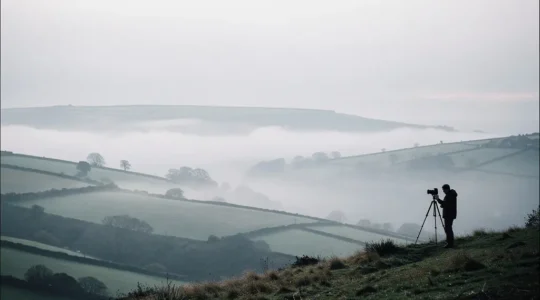
Why the “Drab” British Weather Creates the World’s Best Diffused Light?
Contrary to popular belief, the UK’s famously grey sky isn’t a curse for photographers; it’s a world-class lighting tool you don’t have to pay for. Overcast conditions act as a giant, natural softbox, producing soft, wrapping light that reveals subtle…
Read more
From Client Briefs to Collector Sales: The Curator’s Guide to Transitioning into Fine Art Photography
The successful transition from commercial to fine art photography is not a matter of technical skill, but of mastering an entirely new business philosophy. Success hinges on shifting from a service mindset (fulfilling briefs) to a value-creation mindset (articulating an…
Read more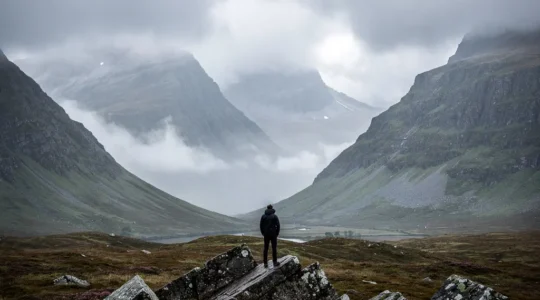
How to Capture Dramatic Highland Landscapes During Overcast Weather Conditions?
The greatest mistake in Highland photography is waiting for the sun; the region’s true dramatic character is revealed in its overcast, moody weather. Embrace the “Silver Hour”—the soft, diffused light on wet surfaces—over the clichéd Golden Hour for unique, ethereal…
Read more