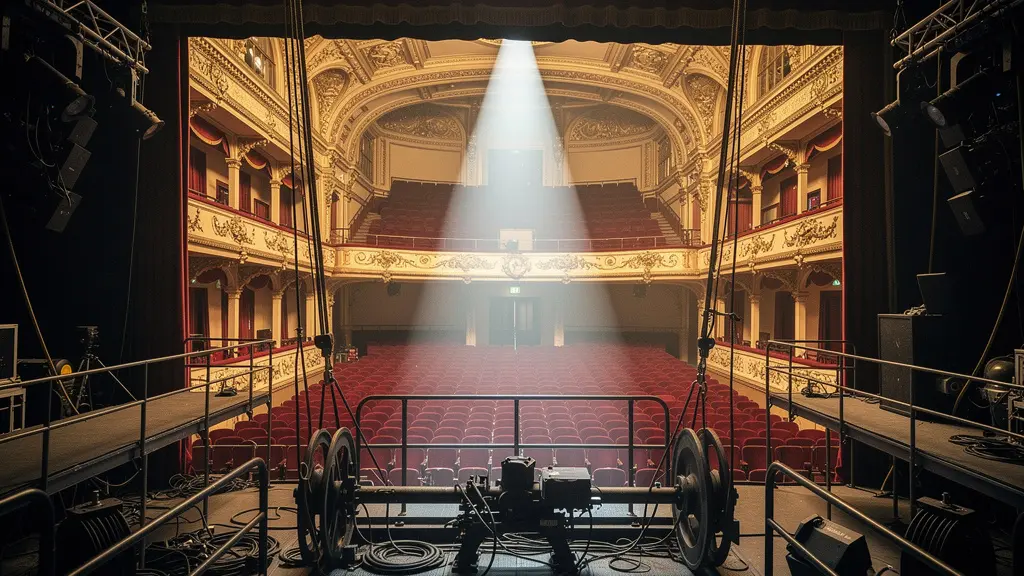
That £150 ticket isn’t just for a seat; it’s a high-risk investment in a multi-million-pound startup that has a greater than 70% chance of failing.
- Most shows never recoup their initial investment, meaning the high ticket price is a bet on survival, not a guarantee of profit.
- The final price is a complex value chain including everything from actor salaries and theatre rent to marketing spend and royalties, all balanced against immense financial risk.
Recommendation: Understand the economic ecosystem of a show to find incredible value, whether it’s seeing a future star in an understudy role or using strategic booking methods to pay a fraction of the top price.
The sticker shock is real. You search for a blockbuster West End musical and see top-tier tickets hovering around £150, sometimes more. The immediate reaction is often indignation, a feeling that someone, somewhere, is getting rich at your expense. The common assumptions fly: it’s the star’s astronomical salary, the landlord’s greedy rent on a historic building, or just pure producer profit. While there are kernels of truth in these ideas, they miss the fundamental reality of commercial theatre. Seeing a show isn’t like buying a product; it’s like being the final shareholder in a high-risk, short-lived, multi-million-pound startup.
The vast majority of shows that open do not make their money back. They close at a loss. That £150 price tag isn’t just covering the cost of the performance you’re about to see; it’s trying to pay back a mountain of initial investment while gambling that enough people will come, night after night, to push the production into the black. This is the recoupment gamble, and it sits at the heart of the entire West End economic model. So, if we look past the velvet curtains and the bright lights, where does that money actually go? This article breaks down the complex value chain of a major production, revealing the financial balancing act that determines everything from what shows get made to who steps onto the stage each night.
To understand the intricate economics behind your ticket, this guide will dissect the financial realities of the West End. We will explore the business logic behind different types of shows, the hidden value in the production system, and the strategies you can use to navigate the pricing maze like an insider.
Summary: The Economics of a West End Production
- The Jukebox Trend: Are Original Musicals Dying Out Due to Financial Risk?
- The Understudy System: Why Seeing the Cover Might Be Better Than the Star?
- Day Seats and Lotteries: How to Hack the System for £25 Tickets?
- Closing Notices: When is the Best Time to See a Show Before It Ends?
- Tourists vs Locals: How Blockbusters Change the Atmosphere of a Show?
- Movies with Live Orchestra: Is This the Gateway Drug to Classical Music?
- Pillar in the Way: Is a Restricted View Ticket Ever Worth the Savings?
- Is It Possible to Make a Living Solely as a Performer in the UK Today?
The Jukebox Trend: Are Original Musicals Dying Out Due to Financial Risk?
From a producer’s perspective, every new show is a gamble, but an original musical—with a new score and story—is the riskiest of all. You are asking an audience to take a chance on something completely unknown. This is where the jukebox musical comes in. By building a narrative around a catalogue of beloved hits from artists like ABBA, Queen, or Tina Turner, you mitigate a huge part of the marketing risk. The audience arrives with a pre-existing emotional connection. The songs are already hits; the brand is already established. This makes it a much safer “theatrical startup” to pitch to investors.
However, “safer” is a relative term in the West End. While they have a better track record than original shows, the recoupment gamble is still terrifyingly real. Analysis of Broadway investments, which mirrors the West End, shows that even with a famous songbook, success is far from guaranteed. In fact, a detailed Broadway investment analysis over 22 years reveals that only 32% of jukebox musicals ever recoup their initial investment. The rest close at a loss. This stark figure demonstrates that even with a ‘pre-sold’ audience, the high running costs and intense competition mean most of these shows will fail financially.
Case Study: The Mamma Mia! Success Story
Mamma Mia! stands as the poster child for the jukebox musical model done right. Launching in 1999, it leveraged the timeless appeal of ABBA’s music to become one of the most financially successful shows in West End history. Its success wasn’t just about the songs; it was about its feel-good, multi-generational appeal that created a ‘destination’ event. It became the exception that proves the rule, demonstrating that when the formula works, it can generate enormous returns that help fund the industry’s other, less successful gambles.
So while the trend towards jukebox musicals might seem like a creatively conservative move, it’s a calculated business decision. Producers are trying to lower the astronomical risk of launching a new show. The higher success rate, even if it’s only one in three, makes it a more palatable proposition for investors who have been burned by ambitious but commercially unsuccessful original works.
The Understudy System: Why Seeing the Cover Might Be Better Than the Star?
When you buy a premium ticket, part of what you’re paying for is the star headlining the show. But what happens when that star is unwell, on holiday, or otherwise unavailable? For a producer, cancelling a performance is a financial catastrophe, involving refunds, reputational damage, and breaking faith with thousands of ticket holders. The understudy system is the multi-layered insurance policy that protects this massive investment. It’s a critical component of the operational budget, ensuring the mantra “the show must go on” is an economic reality, not just a romantic platitude.

These performers are not lesser talents; they are highly skilled, versatile artists often covering multiple principal roles, ready to step in at a moment’s notice. They rehearse constantly, knowing their performance must be flawless to an audience that may feel disappointed by the star’s absence. This readiness comes at a cost, with performer unions like Equity negotiating minimum salaries. For a performer in a large West End theatre, an understudy’s weekly wage is clearly defined in agreements with the Society of London Theatre (SOLT). For the 2023-2024 season, a salary of £838.19 to £880.10 weekly for Category A venues was negotiated, reflecting the immense skill and pressure involved. This is a fixed running cost, whether they perform or not.
From an audience perspective, seeing an understudy can be a hidden opportunity. You are often watching a future star at the beginning of their ascent, someone with an intense hunger to prove themselves. Their performance can have an electricity and a freshness that is unique. They may not have the name recognition, but they have the talent and the drive, offering a different, sometimes more powerful, interpretation of the role. For the price of your ticket, you are getting the same multi-million-pound production, but with a performer giving what could be the most important performance of their career.
Day Seats and Lotteries: How to Hack the System for £25 Tickets?
While the £150 ticket grabs the headlines, it represents the top end of a highly dynamic pricing strategy. As a producer, my primary goal is to have every single seat filled for every single performance. An empty seat is 100% lost revenue. Therefore, a significant portion of the house is made available through various schemes designed to attract different types of buyers, from spontaneous locals to budget-conscious students. This is where the savvy theatregoer can find incredible value, effectively becoming an “investor” in the show at a fraction of the top price.
The industry average for the very cheapest tickets is surprisingly low. A survey by The Stage, a leading industry publication, found the £28.58 average for cheapest tickets represented a small drop, showing a commitment to accessibility. These aren’t just the seats with a pillar in the way; they are often excellent front-row “day seats” or lottery wins that producers use to generate buzz and fill the house. These schemes are a win-win: the show gets a full, energetic audience (which improves the performance for everyone), and the audience gets to see a top production for the price of a cinema ticket.
Mastering these systems requires a little planning and flexibility, but the rewards are significant. You can bypass the premium prices entirely and still get an excellent view of the stage. For those willing to be proactive, the West End is far more accessible than the top-tier prices suggest.
Your Action Plan: Securing Low-Cost Tickets
- Embrace Digital Lotteries: Use apps like TodayTix to enter daily lotteries for front-row seats to major shows like Hamilton. The odds can be long, but the payoff is huge.
- Set Your Monday Alarm: Check for Disney’s “Magical Mondays” ticket release at 12 pm, which offers £29.50 tickets for shows like The Lion King for that week’s performances.
- Be an Early Bird Online: Many theatres, particularly LW Theatres, release a limited number of “day seats” online at 10 am on the day of the performance. These are often in the front rows and sell out in minutes.
- Plan for August: If you have children, take advantage of the annual “Kids Week” promotion, where a child can see a show for free when accompanied by a full-paying adult.
- Go Old School at the Box Office: For sold-out shows, visit the theatre’s box office in person on the day. You can often buy standing tickets or last-minute returns that aren’t available online.
Closing Notices: When is the Best Time to See a Show Before It Ends?
A closing notice is the white flag of commercial theatre. It’s the public announcement that a show has lost the recoupment gamble; its weekly running costs are higher than its box office takings, and the producers or investors have decided to cut their losses. For the cast and crew, it’s a difficult time. For the audience, it creates a unique and often misunderstood window of opportunity. The final few weeks of a show’s run can be some of the most electric, but deciding when to go is a strategic choice.
The moment a closing notice is posted, a new dynamic emerges. Some might rush to see it immediately, fearing they’ll miss out. Others might wait until the final performance, expecting a highly emotional event. From a producer’s standpoint, this period can see a surge in ticket sales from loyal fans and last-chancers, but it’s rarely enough to turn a losing show into a profitable one. A comprehensive Bucknell University study on Broadway profitability confirms this reality, revealing that some shows that do eventually turn a profit only manage to do so after running for two or three years. A closing notice means a show never got there.
The financial models between theatre capitals also highlight different levels of risk, as shown in a recent comparative analysis.
| Aspect | West End | Broadway |
|---|---|---|
| Capitalization Costs | Much lower | Up to 6x more expensive |
| Running Costs | Fair bit cheaper | Significantly higher |
| Average Ticket Price | £56 or less | $100+ average |
| Investment Risk | Lower barrier to entry | Higher capital requirements |
So, when is the best time to see it? Avoid the immediate rush after the notice and the chaos of the final night. The sweet spot is often in the penultimate week. By then, the cast has processed the news and is determined to go out on a high. The performances are often filled with a raw, poignant energy. The audience is comprised of true fans, creating a palpable sense of shared appreciation. You get the emotional weight of the impending closure without the inflated prices or frantic scramble of the absolute final performance.
Tourists vs Locals: How Blockbusters Change the Atmosphere of a Show?
In the ecosystem economics of the West End, tourists are the lifeblood. While locals may see a few shows a year, tourists on a once-in-a-lifetime trip are often willing to pay top price for a guaranteed blockbuster experience. They are less price-sensitive and more brand-loyal, flocking to long-running hits like The Phantom of the Opera or Les Misérables. As a producer, this audience is essential. They provide the stable, year-round revenue stream that allows these huge shows to weather seasonal slumps and sustain their multi-decade runs. Without them, the entire financial model for mega-musicals would collapse.
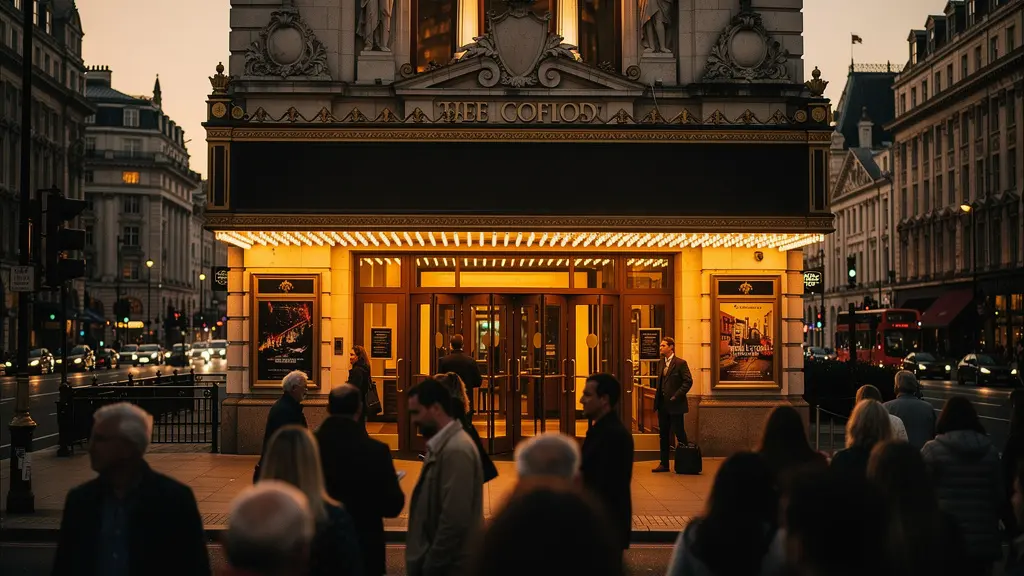
This reliance on tourism has a profound economic ripple effect that extends far beyond the theatre walls. The money spent on tickets is only part of the story. A landmark Society of London Theatre report found that for every £1 spent on a theatre ticket, an additional £1.40 is spent in the local economy on restaurants, hotels, transport, and shopping. Blockbuster shows are powerful economic engines for central London, supporting thousands of jobs across the hospitality and service industries. The high ticket price, in this context, helps to subsidise a much wider urban economy.
However, this demographic shift can change the atmosphere inside the auditorium. An audience filled with tourists, many of whom may not speak English as a first language or be familiar with theatre etiquette, can be more reactive—laughing louder, gasping more audibly, and sometimes rustling more sweet wrappers. A local audience, seeing a riskier new play, might be more reserved and analytical. Neither is “better,” but they are different. The blockbuster audience brings a vibrant, uninhibited energy, while the local audience for a straight play might offer a more focused, intense quiet. The show you choose will largely determine the type of audience you share the experience with.
Movies with Live Orchestra: Is This the Gateway Drug to Classical Music?
The rise of “film in concert” events—screening a beloved movie like Jurassic Park or Harry Potter accompanied by a full symphony orchestra playing the score live—represents a fascinating and highly successful niche in the live entertainment market. From a commercial standpoint, these are not classical concerts; they are premium, multi-generational events that operate on a unique business model. They are a brilliant way to fill large concert halls and provide work for dozens of musicians by leveraging the immense brand power of Hollywood.
The ticket prices for these events are often high, reflecting a complex cost structure. Unlike a standard concert, producers must navigate a dual-licensing model. This requires paying significant rights fees to both the film studio for the screening rights and to the composer’s estate for the rights to perform the music. These costs are substantial and are passed on to the consumer. Furthermore, the marketing targets four distinct demographics at once: film buffs, classical music aficionados, families looking for a spectacular outing, and nostalgia-driven audiences. This broad appeal justifies the premium pricing and the large-scale venues.
The Economic Model of Orchestra Film Concerts
Film concerts with live orchestras operate on a dual-licensing model requiring rights fees to both studios and composers, explaining premium pricing. These events target four distinct demographics simultaneously: film buffs, classical music fans, families, and nostalgia audiences, creating broad market appeal that justifies higher production costs and premium ticket prices. This diversified audience base is the key to their financial viability, allowing them to fill venues that a traditional symphony concert might struggle to.
Whether this serves as a “gateway drug” to traditional classical music is a matter of debate. Sceptics argue it’s a one-off novelty experience, and audiences come for the film, not for a newfound appreciation of orchestral performance. Optimists, including many orchestra managers, believe that exposing a new generation to the visceral power of a live orchestra, even in a familiar context, can break down barriers and spark a lifelong interest. Regardless of the outcome, it’s an innovative business model that is proving to be both artistically satisfying and, crucially, financially sustainable in a challenging market, even as SOLT’s 2024 box office analysis reveals that overall average West End ticket prices actually dropped by 5.3% in real terms since 2019.
Pillar in the Way: Is a Restricted View Ticket Ever Worth the Savings?
In the grand, historic theatres of the West End, not all seats are created equal. Many of these beautiful Victorian and Edwardian buildings were designed long before modern stagecraft, resulting in architectural quirks like support pillars, shallow balconies (the “Gods”), and extreme side-angles. These create “restricted view” seats, which are sold at a significant discount. For the producer, it’s another exercise in yield management: it’s better to sell a seat with a partial view for £25 than to have it remain empty. For the audience member, it presents a clear trade-off: is the financial saving worth the compromised experience?
The answer depends entirely on the show and the nature of the restriction. For a dialogue-heavy play where the action is static and centred, losing a small corner of the stage to a pillar might be a perfectly acceptable compromise. You hear everything, and the saving can be substantial. In fact, according to Official London Theatre data, the availability of such seats is a key part of the industry’s accessibility strategy, with nearly a quarter of all West End tickets costing under £35. These seats make theatre-going possible for those on a tighter budget.
However, for a large-scale musical with spectacular choreography and sprawling set pieces, a restricted view can be a deal-breaker. If you can’t see the elephant enter in Moulin Rouge! or the barricade revolve in Les Misérables, you are missing a core part of the production’s value. The key is to do your research. Websites like “SeatPlan” offer user-submitted photos and reviews for almost every seat in every West End theatre. You can see exactly what the “restriction” entails before you buy. A “restricted legroom” warning might be fine for a shorter person, while a “pillar obstructs right side of stage” warning could ruin a dance-heavy show.
Ultimately, a restricted view ticket can be an excellent way to be an “audience investor” on a budget, provided you invest wisely. It requires a few minutes of pre-purchase diligence, but it can be the difference between seeing a show for a bargain and paying to be frustrated for three hours.
Key Takeaways
- High-Risk Investment: A West End show is a “theatrical startup” where most productions (over 70%) fail to recoup their initial costs, making high ticket prices a hedge against financial loss.
- Complex Value Chain: The ticket price covers a vast range of expenses, including theatre rent, marketing, royalties, and the salaries of hundreds of cast and crew members, not just the star performer.
- Value Can Be Found: Despite high top-tier prices, the system is designed with access points for savvy buyers, including day seats, lotteries, and restricted-view tickets that can cost as little as £25.
Is It Possible to Make a Living Solely as a Performer in the UK Today?
The image of a West End star is one of glamour and wealth, but for the vast majority of performers, this is a dangerous myth. The reality of making a living as an actor, singer, or dancer in the UK is one of financial precarity, intense competition, and low average earnings. The performer you see on stage is the tip of a very large iceberg; for every one person in a long-running show, there are thousands of others auditioning, working side jobs, and struggling to get by between contracts. Understanding this financial reality is crucial to appreciating the human cost within the ticket price.
The data on performer earnings is sobering. Despite the high ticket prices, the wealth does not uniformly trickle down. A startling 2021 survey from the performers’ union, UK Equity, revealed that 97% of its members earn less than £43,000 per year from their craft. This figure includes those working in lucrative film and television, meaning the average for theatre-only performers is likely even lower. The industry is characterized by short-term contracts followed by often long periods of unemployment, making consistent income a rare luxury.
While a role in a West End show provides a period of stability, the wages, while fair, are not astronomical when compared to the cost of living in London. The negotiated minimums provide a clear picture of the baseline income for a working performer.
| Theatre Category | Seat Capacity | 8 Shows/Week | 12 Shows/Week |
|---|---|---|---|
| Category A | 1100+ seats | £880.10 | £1,030.46 |
| Category B | 800-1099 seats | £800.58 | £936.76 |
| Category C | Up to 799 seats | £720.36 | £843.10 |
So, is it possible to make a living? Yes, but it is exceptionally difficult. It requires immense talent, resilience, and financial discipline. The £150 ticket does not make every performer rich; it funds an entire ecosystem that allows a small percentage of highly skilled artists to pursue their profession full-time, often for modest, hard-earned wages. The price you pay is not just for the spectacle, but for the dedication of every single person on that stage, for whom this job is the culmination of a lifetime of work against incredible odds.
Therefore, the next time you consider that ticket price, see it not as an expense, but as a vital investment in a fragile, high-stakes cultural ecosystem. Your contribution supports not just a single performance, but the entire network of artists, technicians, and creatives who make the magic happen, night after night.